
Almost everyone realizes the importance of routine health check-ups in older age. But it is equally important to have your overall health assessed, even at a young age. One of the most important parts of this health checkup is a regular eye checkup to detect early signs and symptoms of disease. Eye health not only provides insight into developing eye diseases, but also allows your ophthalmologist to detect early signs of other diseases. Let’s dive deeper into why regular eye check-ups are important for your health.
Eye Disease Detection
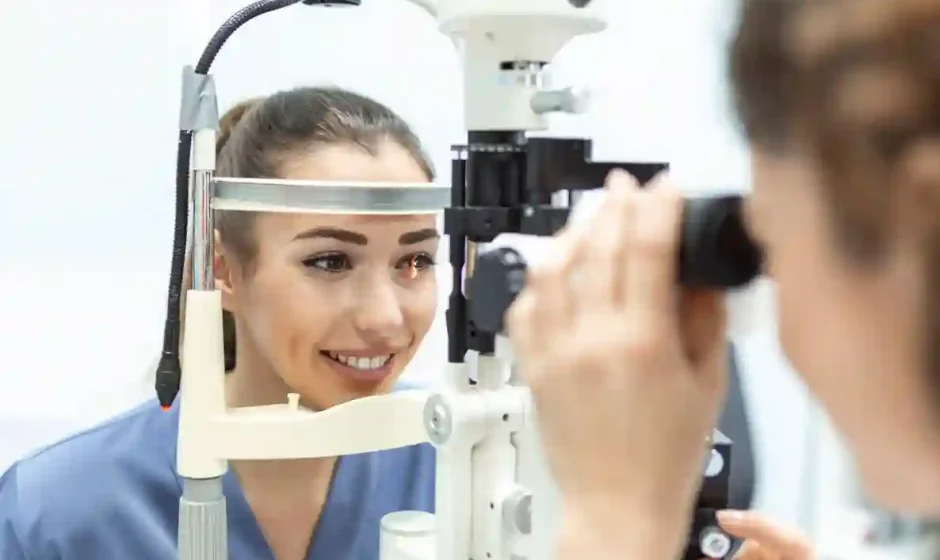
Eye disease doesn’t develop overnight, and many of these diseases don’t even show noticeable signs or symptoms. But your doctor can identify these issues with a proper eye examination that includes measuring eye pressure, examining the optic nerve, and assessing the retina. With this minute observation, doctors can detect eye conditions like glaucoma that lack warning signs otherwise. Catching issues like cataracts and macular degeneration early can help prevent disease progression and, eventually, permanent vision loss. So to ensure early detection and treatment of such diseases, you should visit your ophthalmologist regularly.
Other Diseases Detection
Ever notice why the first sign of fatigue and even a minor fever turns your eyes red? This is because the eyes are sensitive and are usually the first organs to show signs of disease. Therefore, regular eye checkups are necessary because an eye exam can provide more than just an eye health report. Your ophthalmologist directly views the blood vessels in your eyes; changes there may indicate systemic conditions. High blood pressure, diabetes, and some autoimmune diseases can leave telltale signs in the retina. During an eye exam, an optometrist can spot these clues and recommend further testing or a referral to a physician.
Preventive Approach
Some eye conditions, like glaucoma, are considered the silent thief of sight. Because it damages the optic nerve without causing early warning signs. Many people don’t realize they have it until significant vision loss has already occurred. With regular eye exams, doctors can detect subtle optic nerve changes early and start treatment with medicated eye drops. Such early treatment options slow down the disease progression. By ensuring regular visits to your eye doctor, you can prevent the progression of such diseases. In some cases, one of these check-ups can even save you from permanent vision loss.
Appropriate Treatment Options
Vision changes can hinder your whole life functioning, but most of these issues are easily fixable. The key is to detect the problem early and take the necessary actions, such as using glasses or contact lenses, vision therapy, or refractive surgery options such as LASIK. Routine checkups ensure you are taking the necessary steps to support your vision.
Children’s Vision Issues Detection
Most people develop eye conditions over the course of their lives. Children often struggle with vision problems, including amblyopia (lazy eye), strabismus (crossed eyes), and refractive errors (nearsightedness/farsightedness). These issues can affect your child’s learning capabilities. If you notice them squinting, frequent eye rubbing, or poor school performance, you need to book an eye appointment for your child.
Conclusion
Vision is one of the biggest blessings for humanity; you get to see and appreciate the beauty of the world around you. To keep witnessing the beautiful moments of life, you need to take care of your eye health, and the first step towards that is to visit your eye doctor regularly. Because a timely visit today can help prevent serious problems tomorrow.