

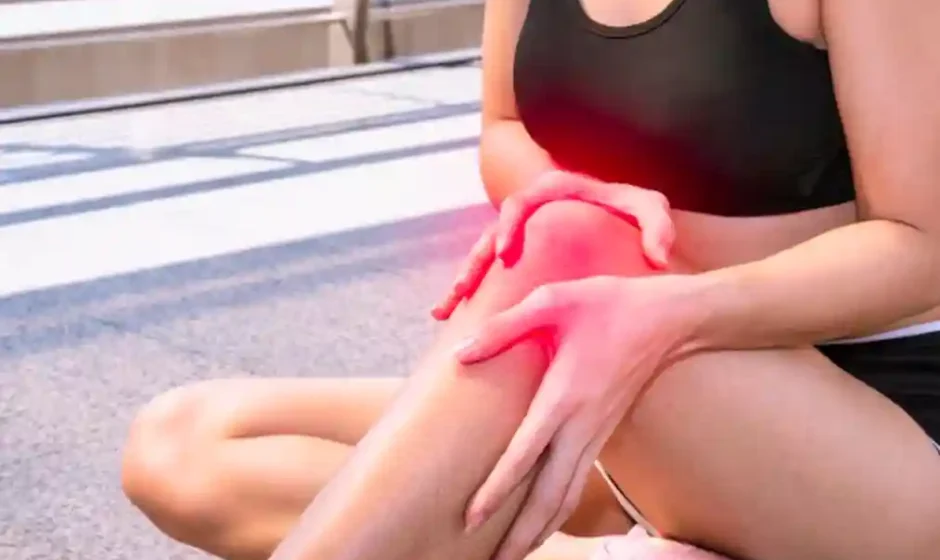
Dealing with chronic joint discomfort requires a comprehensive and strategic approach to maintain mobility and quality of life. For millions of individuals worldwide, the challenges of knee osteoarthritis (knee oa) can make simple daily tasks like walking or climbing stairs feel like monumental hurdles.
However, modern medical insights have shifted the focus from merely reacting to pain to a more proactive and multifaceted management plan.
By combining lifestyle adjustments, physical therapy, and innovative medical interventions, patients can significantly slow the progression of joint wear.
Adopting a smarter management strategy ensures that individuals can remain active and independent while minimizing the long term impact of degenerative joint conditions.
1. Implementing Personalized Low Impact Exercise Routines
One of the most effective ways to combat the stiffness associated with knee osteoarthritis (knee oa) is through regular, gentle movement.
While it may seem counterintuitive to move a painful joint, low impact activities like swimming, cycling, or water aerobics help to lubricate the joint and strengthen the surrounding muscles.
Stronger quadriceps and hamstrings act as natural shock absorbers, taking the pressure off the bone surfaces and reducing inflammation.
Consistency is the key to success, as gradual strengthening helps to stabilize the knee and improves the overall range of motion without causing further structural damage to the cartilage over time.
2. Adopting an Anti-Inflammatory Diet for Joint Health
Nutrition plays a surprisingly large role in managing the systemic inflammation that often accompanies knee osteoarthritis (knee oa) symptoms. Incorporating foods rich in omega-3 fatty acids, such as fatty fish, walnuts, and flaxseeds, can help reduce the biochemical markers of inflammation in the body.
Additionally, consuming a variety of colorful fruits and vegetables provides essential antioxidants that protect joint tissues from oxidative stress.
Reducing the intake of processed sugars and trans fats further supports joint health by preventing unnecessary inflammatory spikes.
This dietary approach not only helps in weight management but also provides the biological building blocks necessary for maintaining healthy connective tissues for the patient.
3. Utilizing Advanced Physical Therapy and Biomechanics
Professional physical therapy offers a data driven way to address the specific mechanical imbalances that contribute to joint wear. A therapist can identify gait abnormalities or muscle weaknesses that may be placing uneven pressure on the knee joint.
By utilizing specific stretching and balancing exercises, patients can relearn movement patterns that protect the joint from further irritation.
In some cases, the use of specialized knee braces or orthotic shoe inserts can help realign the limb, effectively shifting the weight away from the most damaged areas of the cartilage and providing immediate relief during physical activity throughout the day.
4. Exploring Targeted Medical and Regenerative Interventions
When conservative measures are not enough, modern medicine offers several targeted options to manage knee osteoarthritis (knee oa) effectively. Viscosupplementation, which involves injecting hyaluronic acid into the joint, can provide much needed lubrication and cushioning for several months.
Other patients may benefit from corticosteroid injections to rapidly reduce acute swelling during a flare up. Furthermore, emerging regenerative therapies are being explored to help the body repair minor tissue damage.
Consulting with a specialist allows patients to access these advanced tools, ensuring that the treatment plan is tailored to the specific severity and stage of their condition at all times.